Friday, 10 March 2017

Benefits of Limnocharis flava (Genjer, yellow velvetleaf) For Your Health


Limnocharis flava (English: yellow sawah lettuce, yellow burr head or yellow velvetleaf, Indonesian: genjer, Javanese: gènjèr, Lao phak khan chong, Tagalog: cebolla de chucho, Vietnamese: kèo nèo or cù nèo) is a species of aquatic flowering plant which is native to Mexico, Central America, South America, Cuba, Haiti and the Dominican Republic but widely naturalized in southern and southeastern Asia (India, Sri Lanka, Assam, Cambodia, Burma, Thailand, Vietnam, Indonesia, Malaysia and southern China (Guangdong, Yunnan)).

Limnocharis flava is roughly 50 cm tall. growing in clumps. Its triangular-shaped leaves and hollow stems are glabrous. Its inflorescences have a very characteristic shape, producing three-lobed yellow flowers about 1.5 cm in diameter. The fruits are spherical. Although it is not a floating plant, its seeds are carried away by currents.

Yellow velvetleaf grows generally wherever there is not very deep stagnant fresh water, in swampy areas. It sometimes invades rice fields where it can become a weed. As an invasive species it has become a pest in some wetlands in other parts of the world.

What are Benefits of Limnocharis flava (Genjer, yellow velvetleaf) For Your Health


1. Able Genjer Rejuvenate the body's cells

In Genjer contained in protein content that can produce good cells contained within our bodies. Ie, as we already know that our bodies produce millions of cells every day, to replace cells that are not functioning. Well, this protein is what can be instrumental in helping the production of the body's cells.

2. As the reserves of energy in the body

Not for his bad fats, there are good functions of fat on the food that is needed by our bodies, for example the fat on genjer also acts as the body's energy reserves. Provides additional energy when we are exhausted.

3. Make bones stronger

Genjer also contains calcium. If the children of calcium plays a role in bone growth, unlike the case with adults calcium plays a role in strengthening bones and reducing the risk of osteoporosis. Based on personal experience, that my parents had often felt pains in his joints and then consume genjer. In just one day the genjer benefits already can feel that pain in the joints will be lost.

4. Can Prevent colon cancer and prevent constipation

Colon cancer usually occurs due to improper diet and the impact due to the not smooth digestion. Genjer contains high fiber so as to function in digestion. Someone who consume genjer regularly, it is certain that he will be away from the risk of colon cancer. In addition, a study suggests that people who regularly consume genjer will not be affected by constipation (constipation).

5. curating the risk of heart disease and cancer

The content of polyphenols in genjer can act as antioxidants, this content can prevent heart disease and cancer.
That genjer efficacy and benefits for our health.

Friday, 12 August 2016

Bean Sprout is Good For Woman Pregnancy


Bean sprouts are a common ingredient, especially in Eastern Asian cuisine, made from sprouting beans. The typical bean sprout is made from the greenish-capped mung beans. Other common bean sprouts are the usually yellow, larger-grained soy sprouts. It typically takes one week for them to be completely grown. The sprouted beans are more nutritious than the original beans and they require much less cooking time and, therefore, less energy.


What are The Amazing Benefits of Bean Sprout ?

Increase Endurance Body
The content of vitamin E on sprouts can enhance immune pregnant women of health problems

Reducing the Risk of Miscarriage
Research and hold the content has been researched since long by western scientists. One of these trials on vitamin E which is also contained in the sprouts. From the results of these studies vitamin E may reduce the risk of miscarriage.

Controlling Stress In Pregnancy
Usefulness is next on toge is less stressful because the content of vitamin E in it in trust can reduce stress.

Streamlining Digestive
Fiber is a hero in improving digestion which is often impaired. If pregnant women feel annoyed with the normal digestive process that is not so good to eat sprouts because these vegetables also have a high fiber content.

Preventing Birth Defects Infant Mental
Some sad case of the birth of babies with neurological disability due to folic acid deficiency. Sprouts or also called toge containing folic acid to prevent the occurrence of defects in the fetus in the womb.

Read Also :


Maintaining Healthy Skin
The skin of pregnant women also need to maintain moisture and nutrients to the skin elastisan. Vitamin E which acts to keep the skin healthy and is also known as vitamin for youth.

Nutrition To Compress And Bone formation
Inside there is the content toge estrogen and estrogen can increase bone formation and density, as well as prevent bone loss (osteoporosis) so it is good for consumption by pregnant women.

Saturday, 9 July 2016

Eggplant (Brinjal) is Good For Lose Weight


Eggplant or Brinjal, is a very low calorie vegetable and has healthy nutrition profile; good news for weight watchers! The veggie is popularly known as aubergine in the western world.

Botanically, aubergine belongs to Solanaceae family and named as Solanum melongena. This perennial plant is native to Indian subcontinent and now grown in many tropical and semitropical regions.

The fruit is widely used in cooking. As a member of the genus Solanum, it is related to both the tomato and the potato. It was originally domesticated from the wild nightshade species, the thorn or bitter apple, S. incanum, probably with two independent domestications, one in the region of South Asia, and one in East Asia.


Eggplant purple color are known to have strong antioxidant properties to protect brain cells and control and lipid content in the body.

Help you lose weight

As mentioned above, that eggplant contains a lot of fiber which is good for the body, in addition to the fiber in eggplant also have other uses, which can help you lose weight.

Eating eggplant at breakfast for dieters, very good, and will tend to have a feeling of satiety, and will avoid the snack, before eating schedule arrives.

Fiber will slow to digest and requires a long time to move from the stomach to the gastrointestinal tract, perhaps that's what makes dieters feel full for a longer period of time.


Sunday, 19 June 2016

Health Benefits of Cabbage For Woman Pregnancy and Daily Life


Cabbage is a leafy green or purple biennial plant, grown as an annual vegetable crop for its dense-leaved heads.

Cabbage structurally consists of clusters of stiff leaves superimposed in compact layers, allowing it to aquire round or globular shape vegetable. Several varieties of cabbage cultivated worldwide including green, purple, red, and savoy (loose-wrinkled leaves).

Bok-choy or "Chinese-cabbage" features a long cylindrical shape, comprising of short, compact leaves. It is derived from different species of the same Brassica genus of vegetables. Bok-choy characteristically has a vigorous growth pattern.

Napa cabbage is another Chinese vegetable variety in the Brassica family. It grows to oblong shaped head consisting of tightly arranged crinkly, thick, light-green color leaves with prominent white veins.

Read Also About Cabbage

What are the Health Benefits of Cabbage For Woman Pregnancy and Daily Life :


1. Helping the formation of red blood cells
Iron is a component that makes the process of formation of red blood cells are more productive, so avoid the symptoms of anemia. Consuming cabbage can be paired with orange juice, for the benefits of grapefruit is able to optimize the absorption of iron from the benefits of cabbage.

2. Preventing cancer
Group cabbage as cabbage has a substance that can fight cancer cells in the body. These substances stimulate the enzyme to restrain the rate of tumor growth. Research in China also resulted in women who consume a certain amount of vegetables such as cabbage, broccoli decreased risk of breast cancer symptoms.

3. Controlling high blood pressure
Potassium is a good compound to reduce symptoms of hypertension, the high content of potassium in Kol / Beans making is one of the recommended foods for high blood pressure.

4. Containing Vitamin C
Not only fruits like oranges, grapes or apples are vitamin C, cabbage also have it so that would make the immune system stronger. Vitamin C is also very good for skin health care as well as the benefits of olive oil and almond oil benefits.

5. Lose Weight
Cabbage is one of the vegetables most recommended for people who want to lose weight the natural way healthy. Cabbage has a lot of useful content of vitamins, minerals, and other nutrients, you can eat cabbage in large quantities because it has a sufficiently high fiber content and low in calories, it will not cause your weight.

6. Body Detoxification
High vitamin C content and sulfur in cabbage can help eliminate toxins (free radicals). Free radicals are one of the main causes of arthritis, skin diseases, rheumatism and gout.

7. Good for Brain
Cabbage or cabbage vegetable sources are very much vitamin K and anthocyanins that can help mental health and brain concentration. These nutrients also can prevent nerve damage, increase defense to help prevent Alzheimer's disease, and dementia. Therefore, the cabbage is very beneficial for your brain health.

8. Good For Eyes
Cabbage is a vegetable rich source of beta-carotene, most people, especially those who have 'aged', turning regularly consume cabbage for its ability to prevent macular degeneration and can improve eye health and prevent the formation of cataracts. Substance beta carotene from some studies to reduce prostate cancer.

9. Anti Inflammatory
Cabbage has anti-inflammatory agent and is a major source of glutamine. Glutamine is an anti-inflammatory agent that is strong, so eating cabbage can reduce the effects of different types of diseases such as inflammation, irritation, allergies, joint pain, fever, and various skin disorders.

10. Bone Health
Cabbage, vegetables are very many contain minerals such as calcium, magnesium, and potassium. This mineral is known for its ability to maintain the health of human bones.

11. Coping with Headaches
Using cabbage leaves warm compresses may help reduce pain in the head. Moreover, crushing the leaves of cabbage and put it on the forehead can also relieve headaches. For chronic headaches, making 25-50 ml cabbage juice can help eradicate these headaches.

12. Smooth defecation
As the benefits of other vegetables, cabbage or cabbage can also be a vegetable that facilitate launched defecation, the fiber content of vegetables greatly help smooth defecation.

13. Healthy digestion
Fiber-rich vegetables, including cabbage, for that kind of cabbage will help to nourish the digestive compared with the consumption of meat.

14. Good for fetus
Each fetus need folic acid, for the pregnant women who consume cabbage also can assist nutritional needs folic acid to cabbage consumption.

15. Good for the heart
Potassium content in cabbage greatly contribute to heart health and maintain blood circulation in order to stay healthy and avoid blockage of the blood vessels to the heart.

Benefits of Red cabbage For Weight Loss (Daily Life)


The red cabbage (purple-leaved varieties of Brassica oleracea Capitata Group) is a kind of cabbage, also known as purple cabbage, red kraut, or blue kraut after preparation. Its leaves are coloured dark red/purple. However, the plant changes its colour according to the pH value of the soil, due to a pigment belonging to anthocyanins. In acidic soils, the leaves grow more reddish, in neutral soils they will grow more purple, while an alkaline soil will produce rather greenish-yellow coloured cabbages. This explains the fact that the same plant is known by different colours in various regions. Furthermore, the juice of red cabbage can be used as a home-made pH indicator, turning red in acid and green/yellow in basic solutions. It can be found in Northern Europe, throughout the Americas, and in China.

On cooking, red cabbage will normally turn blue. To retain the red colour it is necessary to add vinegar or acidic fruit to the pot.

Red cabbage needs well fertilized soil and sufficient humidity to grow. It is a seasonal plant which is seeded in spring and harvested in late fall. Red cabbage is a better keeper than its "white" relatives and does not need to be converted to sauerkraut to last the winter.


What are the Health Benefits of Red cabbage For Weight Loss (Daily Life) ?


1. Diet
Red cabbage suitable for those of you who are on a diet, because it contains only 33 calories.

2. Good for the brain
Red cabbage are also high in vitamin C and anthocyanins are beneficial for mental health and improve concentration. In addition, red vegetables can prevent nerve damage, lower the risk of Alzheimer's and dementia.

3. Helps detoxify the body
Vitamin C can eliminate toxins (free radicals and gout) and red cabbage contain lots of vitamin C.

4. Prevent Cancer
There are some ingredients in red cabbage to fight cancer cells as lupeol, sinigrin and sulforaphane. All of these substances can stimulate the activity of the enzyme and inhibit the growth of cancer.

5. Relieve headaches
Frequent headaches, try using red cabbage. By drinking red cabbage juice every day, also helps relieve headaches.

Read Also :
Health Benefits Of Chinese Cabbage For Your Body
Health Benefits Of Cabbage (Brassica Oleracea) For Your Body

Saturday, 18 June 2016

7 Types of Vegetable For Woman Pregnancy

What is pregnancy ?

Pregnancy, also known as gravidity or gestation, is the time during which one or more offspring develops inside a woman. A multiple pregnancy involves more than one offspring, such as with twins. Pregnancy can occur by sexual intercourse or assisted reproductive technology. It usually lasts around 40 weeks from the last menstrual period (LMP) and ends in childbirth. This is just over nine lunar months, where each month is about 29½ days. When measured from conception it is about 38 weeks. An embryo is the developing offspring during the first eight weeks following conception, after which, the term fetus is used until birth. Symptoms of early pregnancy may include missed periods, tender breasts, nausea and vomiting, hunger, and frequent urination. Pregnancy may be confirmed with a pregnancy test.

Here are some Types of Vegetable For Woman Pregnancy :


1. Carrot

The carrot (Daucus carota subsp. sativus) is a root vegetable, usually orange in colour, though purple, red, white, and yellow varieties exist. It has a crisp texture when fresh. The most commonly eaten part of a carrot is a taproot, although the greens are sometimes eaten as well. It is a domesticated form of the wild carrot Daucus carota, native to Europe and southwestern Asia.


Pregnant mothers would need more nutrients for the growth of the fetus and the mother's own health. All types vegetables in general is a high source of nutrients, but each color has its own nutritional superiority. Carrots in this case, is included colored vegetables, including pumpkins and many contain a compound called beta-carotene. Are beta-carotene? beta-carotene is a provitamin A, which is converted by the body into vitamin A. There are many benefits of carrots if consumed by pregnant women, especially to meet the needs vitamin A for good vision for the development of the fetus and the mother's own.

Anyone would know that carrots are rich in vitamin A and beneficial for eye health. So, what only that the content of the nutrients found in carrots? carrots turned out to contain many nutrients that are beneficial to health, including the pregnant woman and her fetus. Below are some types of nutrients and benefits of carrots for pregnancy you need to know.

Vitamin C
Vitamin C is beneficial to enhance the immune system or immune pregnant women, pregnant women increase collagen production, maintain the health and growth of bones and teeth in pregnant women and fetuses. In addition, vitamin C is always needed to help with the absorption of iron in the body. Vitamin C is also a very important role in optimizing the growth and development of the fetus and to prevent the risk of birth defects.

Potassium
Potassium is very beneficial for pregnant women to prevent muscle cramps, maintain a normal heart rate and increase blood flow to the brain, keeping the system of neural networks, and maintain cholesterol levels remain normal.


2. Kale

Kale or Asparagus officinalis is a spring vegetable, a flowering perennial plant species in the genus Asparagus. It was once classified in the lily family, like its Allium cousins, onions and garlic, but the Liliaceae have been split and the onion-like plants are now in the family Amaryllidaceae and asparagus in the Asparagaceae. Asparagus officinalis is native to most of Europe, northern Africa and western Asia, and is widely cultivated as a vegetable crop.


Eating kale during pregnancy is an excellent option for expectant mothers. The dark green leafy vegetables come loaded with all the nutrients that are just right for your growing baby.

The special part about this vegetable is the abundance of fiber, vitamins and calcium. The nutritional value of kale helps build a healthy baby inside. Read further to know the relation between kale and pregnancy.

3. Cabbage

Cabbage (Brassica oleracea or variants) is a leafy green or purple biennial plant, grown as an annual vegetable crop for its dense-leaved heads. Closely related to other cole crops, such as broccoli, cauliflower, and brussels sprouts, it descends from B. oleracea var. oleracea, a wild field cabbage. Cabbage heads generally range from 0.5 to 4 kilograms (1 to 9 lb), and can be green, purple and white. Smooth-leafed firm-headed green cabbages are the most common, with smooth-leafed red and crinkle-leafed savoy cabbages of both colors seen more rarely. It is a multi-layered vegetable. Under conditions of long sunlit days such as are found at high northern latitudes in summer, cabbages can grow much larger. Some records are discussed at the end of the history section.


For pregnant women, it is advisable to consume cauliflower. You need to know that cauliflower has several nutrients that are good for the health of the fetus.


Because during pregnancy you really need a lot of nutrients. To that end, it is important to meet nutritional needs. Here are some of the benefits of cauliflower for pregnant women.

Absorb Iron
Pregnant women are required to consume foods that contain lots of iron. Cauliflower have iron content needed for pregnant women. This can reduce the risk of premature birth.

Calcium
Cauliflower is also made up of calcium. As you know that calcium is good for bones and teeth. Therefore, cauliflower consume every day it is so you and the fetus remains healthy.

4. Eggplant (Brinjal)

Eggplant or Brinjal, is a very low calorie vegetable and has healthy nutrition profile; good news for weight watchers! The veggie is popularly known as aubergine in the western world.


Botanically, aubergine belongs to Solanaceae family and named as Solanum melongena. This perennial plant is native to Indian subcontinent and now grown in many tropical and semitropical regions.


Here are some Benefits of Eggplant (Brinjal) During Pregnancy 

For substances Antioxidant Benefits eggplant next to pregnant women is as a free-radical scavengers (antioxidants) are good. With regular consumption of eggplant, fetuses and pregnant women can be free and safe from the attack of free radicals that threaten the outdoors.

Lowering High Blood Pressure Toxicity pregnancy (preeclampsia) that occurs due to high blood pressure pregnant women at increased risk of miscarriage and other pregnancy problems. Therefore, for pregnant women who suffer from hypertension, it is advisable to get treatment from the doctor that the problem can be resolved as early as possible. One way that can be done to reduce high blood pressure naturally is to eat eggplant regularly. Eggplant contains riboflavin and thiamin, both are substances that can help you overcome the problem of high blood pressure

5. Asparagus 

Asparagus is a young tender stem vegetable, erupting from its underground root-system. Its flvorful spears were well recognized since ancient Greeks and Romans as a prized delicacy. One of the oldest recorded vegetables, it thought to have originated along the coastal regions of eastern Mediterranean and Asia Minor regions.

It was once classified in the lily family, like its Allium cousins, onions and garlic, but the Liliaceae have been split and the onion-like plants are now in the family Amaryllidaceae and asparagus in the Asparagaceae. Asparagus officinalis is native to most of Europe, northern Africa and western Asia, and is widely cultivated as a vegetable crop.


Here are some Health Benefits of Asparagus for Pregnant

Controlling blood sugar
Eating asparagus is able to control blood sugar levels because asparagus contains vitamin B high enough. So do not be surprised if this one vegetable that is very beneficial for diabetics.

Increasing milk production
For you who are breastfeeding the baby, it does not hurt to eat vegetables this one. Because, eating asparagus can increase milk production.

More Benefits of Asparagus For Woman Pregnancy

6. KangKong (Water spinach)

Water Spinach (Ipomoea aquatica) is a semiaquatic, tropical plant grown as a vegetable for its tender shoots and leaves. It is found throughout the tropical and subtropical regions of the world, although it is not known where it originated. This plant is known in English as water spinach, river spinach, water morning glory, water convolvulus, or by the more ambiguous names Chinese spinach, Chinese Watercress, Chinese convolvulus, swamp cabbage or kangkong in Southeast Asia.

Occasionally, it has also been mistakenly called "kale" in English, although kale is a strain of mustard belonging to the species Brassica oleracea and is completely unrelated to water spinach, which is a species of morning glory. It is known as phak bung in Thai, ong choy in Cantonese, kongxincai in Mandarin Chinese, rau muống in Vietnamese, kangkong in Tagalog, trokuon in Khmer, kolmou xak in Assamese, kalmi shak in Bengali, kangkung in Indonesian, Malay and Sinhalese and hayoyo in Ghana.


Nutrient content of 100 grams of KangKong (Water spinach)
  • Energy 29 cal
  • Protein 3 g Fat 0.3 g
  • Carbohydrates 5.4 g
  • Fiber 1.0 g
  • Calcium 73 mg
  • Phosphorus 50 mg
  • Iron 2.5 mg
  • Vitamin A 6,300 IU
  • Vitamin B1 0.07 mg
  • Vitamin C 32 mg
  • Water 89.7 g
Nutrition: Despite the fact that it requires very little care, Kang Kong is a highly nutritious plant with high levels of protein, calcium, iron, potassium, & vitamins A B & C. A valuable addition to the diet.


7. Meize (Corn) 

Maize, known in some English-speaking countries as corn, is a large grain plant domesticated by indigenous peoples in Mesoamerica in prehistoric times. The leafy stalk produces ears which contain the grain, which are seeds called kernels. Maize kernels are often used in cooking as a starch. The six major types of maize are dent, flint, pod, popcorn, flour, and sweet.

Sweet corn is a special maize variety in which its tender, delicious kernels eaten as a vegetable. In contrast to traditional field corn, sugar corn varieties are harvested when their corn-ear just reached milk stage, and used sooner since its sugars tend to quickly convert into starch. Corn is native to Central American region, which later introduced to the rest of the world by Spanish explorers.


Genetically, it differs from the field corn by mutation at the sugary (su) locus. Its crop has achieved a major success as one of the important commercial cash crops in many tropical and semi-tropical countries.


Here are the Health Benefits of Meize (Corn) for Pregnant Women (During Pregnancy)

Complete nutrition of pregnant women
Corn is rich in Vitamin B complex is useful for nerve health. Corn is also rich in minerals such as magnesium, manganese, iron, copper and selenium. Benefits maize separately nutrition of pregnant women here can maintain overall health. The agency also is not easily tired, tired and sore with corn meal on a regular basis


Thursday, 16 June 2016

Health Benefits of Melinjo Leaves and Melinjo Seeds

Health Benefits of Melinjo Leaves and Melinjo Seeds

Health Benefits of Melinjo Leaves and Melinjo Seeds

Melinjo (Gnetum gnemon) is a species of Gnetum native to southeast Asia and the western Pacific Ocean islands, from Mizoram and Assam in India, south and east through Indonesia and Malaysia to the Philippines and Fiji.

melinjo is the cause of gout, it turns barns melinjo high levels of antioxidants. For people with gout, surely they will write off crackers from the menu cuisine. Having examined the science of nutrition experts turns melinjonya seeds have high levels of antioxidant content is very good for the body as antioxidants to penagkal free radicals such as cancer, aging, heart disease, etc.

Health Benefits of Melinjo Leaves and Melinjo Seeds


here are some Health Benefits of Melinjo Leaves and Melinjo Seeds :

Laxative Urine
Steam 50 g fresh melinjo rind and eat at once.

Drug dog bites
Wash fruit or leaves young melinjo taste, 2 cloves of garlic or onion, and 1 ginger finger. All ingredients until finely crushed into a pulp, then smeared on a dog bite wounds.

Eye diseases, anemia and bow hungry
Eating leaves and fruits that have been cooked or melinjo disayur.

I hope that we make with article "Health Benefits of Melinjo Leaves and Melinjo Seeds" titles helpful to readers

Saturday, 12 March 2016

20 Health Benefits of Cucumber

What are the Amazing 20 Health Benefits of Cucumber ?

Cucumber is not only refreshing, but also very low in calories (only 16 per cup). Cucumbers are also a source of Vitamin C that will make your skin radiant and healthy. others again, cucumber also has a moisture content up to 95% !. So, cucumber diet is the secret to a slim body, and stay healthy. It is an effective way, but healthy to help you lose weight. Cucumbers are also rich in dietary fiber, so the cucumber will make full longer. Cucumber is a perfect food as food for dieting.

20 Health Benefits of Cucumber

Here are Amazing 20 Health Benefits of Cucumber :

  1. Rehydrates body and replenishes daily vitamins - Cucumbers are 95 percent water, keeping the body hydrated while helping the body eliminate toxins. Cucumbers have most of the vitamins the body needs in a single day. Don't forget to leave the skin on because the skin contains a good amount of vitamin C, about 10 percent of the daily-recommended allowance.
  2. Fights heat, both inside and out. Eat cucumber, and your body gets relief from heartburn. Apply cucumber on your skin, and you get relief from sunburn.
  3. Support heart health - Cucumbers contain potassium (152mg per cup), which can help lower blood pressure. A review of the best studies conducted on potassium intake showed that a higher intake "is associated with lower rates of stroke and might also reduce the risk of total cardiovascular disease."
  4. As less than 2 percent of U.S. adults consume the recommended 4,700 mg potassium per day, eating cucumbers is an easy way to start increasing your potassium consumption.
  5. Revives the eyes. Placing chilled slices of cucumber on the eyes is a clichéd beauty visual, but it really helps reduce under-eye bags and puffiness.
  6. Fight cancers - Cucumber are known to contain lariciresinol, pinoresinol, and secoisolariciresinol. These three lignans have a strong history of research in connection with reduced risk of several cancer types, including breast cancer, ovarian cancer, uterine cancer and prostate cancer.
  7. Stabilizes blood pressure. Patients of blood pressure, both high and low, often find that eating cucumber brings relief.
  8. Relieves bad breath - Take a slice of cucumber and press it to the roof of your mouth with your tongue for 30 seconds, the phytochemcials will kill the bacteria in your mouth responsible for causing bad breath.
  9. Hangover cure - To avoid a morning hangover or headache; eat a few cucumber slices before going to bed. Cucumbers contain enough sugar, B vitamins and electrolytes to replenish many essential nutrients, reducing the intensity of both hangover and headache.
  10. Refreshes the mouth. Cucumber juice refreshes and heals diseased gums, leaving your mouth smelling good.
  11. Helps digestion. Chewing cucumber gives the jaws a good workout, and the fiber in it is great for digestion.
  12. Smooths hair and nails. Silica, the wonder mineral in cucumber makes your hair and nails stronger and shinier.
  13. Soothes muscle and joint pain. All those vitamins and minerals in cucumber make it a powerful enemy of muscle and joint pain.
  14. Keeps kidneys in shape. Cucumber lowers uric acid levels in your system, keeping the kidneys happy.
  15. Flushes out toxins. All that water in cucumber acts as a virtual broom, sweeping waste products out of your system. With regular use, cucumber is known to dissolve kidney stones.
  16. Lavishes you with vitamins. A B and C, which boost immunity, give you energy, and keep you radiant. Give it more power by juicing cucumber with carrot and spinach.
  17. Supplies skin-friendly minerals: magnesium, potassium, silicon. That’s why cucumber-based treatments abound in spas.
  18. Aids in weight loss. Enjoy cucumbers in your salads and soups. My favorite snack? Crunchy cucumber sticks with creamy low-fat yogurt dip.
  19. Good for diabetics. Patients of diabetes can enjoy cucumber while also reaping its health benefits: cucumber contains a hormone needed by the cells of the pancreas for producing insulin.
  20. Reduces cholesterol. A compound called sterols in cucumber helps reduce bad cholesterol.

Read Also :


20 Health Benefits of Cucumber

Enjoy! I hope this article about 20 Health Benefits of Cucumber adding you more clarity.

Sunday, 7 February 2016

10 Selection of Fruits and Vegetables For Lose Weight (Diet)

What are the Amazig 10 Selection of Fruits and Vegetables For Losing Weight


Losing weight can be done with a strategy to consume vegetables and fruits are good for the diet. The main principle of the diet to lose weight is to consume fewer calories than the calories your body needs to move. Vegetables and fruits are foods that are low in calories so you can use these foods to replace other high-calorie foods.

1. Pear

The pear is any of several tree and shrub species of genus Pyrus, in the family Rosaceae. It is also the name of the pomaceous fruit of these trees.


Pear is suitable for consumption for those of you who are running the diet, because the pear is a fruit that is low in fat but high in water content so it can be filling in quite a long time. Additionally, pears also contain high fiber which is very beneficial for the digestive system launch. If the digestive tract smoothly then defecation was going smoothly, so as to prevent the accumulation of fat in the body that can lead to obesity.


2. Berrys

Farmer’s markets and fruit stands are bursting with berries—or they will be soon. Numerous studies link these summer treasures with a slew of health benefits, including weight loss. Here are five ways berries can help you slim down and a few healthy ways to gobble them up


3. Pineapple

The pineapple is a tropical plant with edible multiple fruit consisting of coalesced berries, and the most economically significant plant in the Bromeliaceae family.


One of the most prized and popular fruits, pineapple or "ananas" has an interesting history to narrate. Originally indigenous to local Paraguayans in South America, it spread from its native land by the local Indians up through the South and Central Americas and to the West Indies. Later, it was brought to Spain when Columbus discovered Americas’ in 1493. In the 15th and 16th centuries, it spread to rest of the world by the European sailors (just like tomatoes) who carried it along with them to protect themselves from scurvy, a disease caused by the deficiency of vitamin C.

Pineapple is suitable for menu diet program to lose weight. The content of enzymes found in pineapple is able to absorb fat in the digestive tract so it will be discarded along with the feces. The enzyme named proteolytic. In addition, vitamin C can also help in the fat burning process in order not to accumulate in the body.

4. Apple

The apple tree (Malus domestica) is a deciduous tree in the rose family best known for its sweet, pomaceous fruit, the apple. It is cultivated worldwide as a fruit tree, and is the most widely grown species in the genus Malus. The tree originated in Central Asia, where its wild ancestor, Malus sieversii, is still found today. Apples have been grown for thousands of years in Asia and Europe, and were brought to North America by European colonists. Apples have religious and mythological significance in many cultures, including Norse, Greek and European Christian traditions.


Could an apple a day keep the extra pounds away? According to a recent study in Food Chemistry, yes, because apples contain non-digestible compounds that promote the growth of good bacteria in your gut associated with weight loss.

How it works: These compounds—fiber and polyphenols—remain undigested until they’re fermented in the colon, where they act as food for friendly bacteria and help your body outweigh the bad bacteria that thrives on junk food, says lead study author and food scientist Giuliana Noratto. This restored microbial balance appears to reduce chronic inflammation, which increases the risk of obesity, and boosts feelings of fullness to help stave off overeating. 

5. Papaya

Like the other fruits, Papaya also has many health benefits if consumed regularly. One of the most popular is probably known as the papaya fruit that is able to contribute the maximum to lose weight safely. Safe because you are getting the benefits of a natural way and not mixed with other chemicals, which normally we get from drugs weight loss. 


6. Lemon

The lemon is a small evergreen tree native to Asia. The tree's ellipsoidal yellow fruit is used for culinary and non-culinary purposes throughout the world, primarily for its juice, though the pulp and rind are also used in cooking and baking.


Some people believe that one of the benefits of lemon is that it can be used in the diet to lose weight. There are many people who are willing to consume lemon juice every day as part of their diet. How: Prepare 1 cup of warm water and add 1 teaspoon of honey into the water. Stir until the honey dissolves completely in water. Cut the lemon into pieces and then peraskan water into a glass filled with water honey. Stir until blended. Drinking water solution of honey and lemon before eating.

7. Lettuce

Lettuce is an annual plant of the daisy family Asteraceae. It is most often grown as a leaf vegetable, but sometimes for its stem and seeds.Lettuce is one of poular green leafy-vegetables. Its crispy, green/crimson-red leaves are one of the incredible sources of essential nutrients that benefit health. Indeed, it is among the most sought-after greens, be it in your crunchy green salads or healthy sandwiches!


Lettuce leaves exude milk-like fluid (sap) when cut, and hence its name derived from Latin lactuca for milk. Botanically this marvelous, nutrition rich leafy green belongs to the daisy family of Asteraceae.Lettuce is an annual plant of the daisy family Asteraceae. It is most often grown as a leaf vegetable, but sometimes for its stem and seeds.Lettuce is one of poular green leafy-vegetables. Its crispy, green/crimson-red leaves are one of the incredible sources of essential nutrients that benefit health. Indeed, it is among the most sought-after greens, be it in your crunchy green salads or healthy sandwiches!

Lettuce leaves exude milk-like fluid (sap) when cut, and hence its name derived from Latin lactuca for milk. Botanically this marvelous, nutrition rich leafy green belongs to the daisy family of Asteraceae. 


8. Potatoes

The potato is a starchy, tuberous crop from the perennial Solanum tuberosum L. nightshade The word "potato" may refer either to the plant itself or the edible tuber. In the Andes, where the species is indigenous, there are some other closely related species Cultivated potato. Potatoes were Introduced outside the Andes region of approximately four Centuries ago, and have since Become an integral part of much of the world's food supply. It is the world's fourth-Largest food crop, following maize, wheat, and rice.


Potatoes able to assist in body weight loss program. This is because the content in the potato is capable of absorbing the fat, then remove it through the dirt.


9. Collard greens

Collard greens is the American English term for various loose-leafed cultivars of Brassica oleracea, part of the Acephala group which also contains cabbage and broccoli.

Health Benefits of Collard greens


Collards are probably originated in the eastern European or Asia Minor region and now days grown almost all parts of the cooler temperate regions. The plant grows up to 3-4 feet in height and bears dark-green leaves arranged in a rosette fashion around an upright, stocky main stem.
Several cultivar types of collard greens are grown around the planet depending on the soil type, climate, etc.


10. Sweet Potato

The sweet potato (Ipomoea batatas) is a dicotyledonous plant that belongs to the family Convolvulaceae. Its large, starchy, sweet-tasting, tuberous roots are a root vegetable. The young leaves and shoots are sometimes eaten as greens. Ipomoea batatas is native to the tropical regions in America. Of the approximately 50 genera and more than 1,000 species of Convolvulaceae, I. batatas is the only crop plant of major importance—some others are used locally, but many are poisonous. The sweet potato is only distantly related to the potato (Solanum tuberosum) and does not belong to the nightshade family.


Tuesday, 26 January 2016

Amazing Benefits of Lettuce For Losing Weigt (Diet)

What Are the Amazing benefits of Lettuce  For Lose Weight (Diet) and Body healthy

Lettuce is an annual plant of the daisy family Asteraceae. It is most often grown as a leaf vegetable, but sometimes for its stem and seeds.Lettuce is one of poular green leafy-vegetables. Its crispy, green/crimson-red leaves are one of the incredible sources of essential nutrients that benefit health. Indeed, it is among the most sought-after greens, be it in your crunchy green salads or healthy sandwiches!

Lettuce leaves exude milk-like fluid (sap) when cut, and hence its name derived from Latin lactuca for milk. Botanically this marvelous, nutrition rich leafy green belongs to the daisy family of Asteraceae.

Amazing Benefits of Lettuce For Losing Weigt (Diet)

Health Benefits of Lettuce For Losing Weigt (Diet) :

Whole live food: Lettuce is almost always eaten raw, which has many micronutrients not found in cooked or processed food.  Eating raw food also adds vital energies not isolated or recognized by nutritional science.
 The large food corporations have not found a way to package lettuce long term or stuck it in cans or boxes. Let’s hope they never do! In fact, lettuce is one of the few foods, which can be found organic and prewashed already in bins for you to eat immediately.

It is high in fiber and cellulose: This fiber also helps remove bile salts from the body. When the body replaces these salts it breaks down cholesterol to do so.  This is why lettuce is also good for your heart.

Complete protein: Romaine lettuce has 20 % of its calories in protein. Like all whole foods, much of this protein is complete but combining with balancing proteins can increase that amount.

Omega-3 Fatty acids: Romaine lettuce has a 2/1 ratio of omega-3 to omega-6.  That’s a great ratio. The fat content in lettuce is not significant unless you eat a lot but we actually suggest you do.

Top 10 Health Benefits of Guava Leaves For Lose Weight and Diabetes
Health Benefits of Potato For Lose Weight (Diet)

Lettuce tastes great: Even though lettuce has very low calories, many varieties still have a sweet taste. To get maximum benefit from your food you should really want to eat it with your whole body not just your mind saying it is good for you. If you like the bitter taste you can find that too.

Helps with insomnia: the white fluid that you see when you break or cut lettuce leaves is called lactucarium. This has relaxing and sleep inducing properties similar to opium but without the strong side effects. Simply eat a few leaves or drink some lettuce juice.

Lettuce is alkaline forming: The minerals in lettuce help to remove toxins and keep your acid/alkaline balance in order.  Once you are balanced on this level there are a host of benefits including greater energy, clearer thinking, deep restful sleep, and youthful skin.

Low glycemic index: Lettuce has an average glycemic index of 15 but because it has so few calories, its glycemic load is considered zero. For anyone watching his or her blood sugars for medical reasons this is great.  Low glycemic index also is great of weight management.

Healthy heart: Lettuce’s vitamin C and beta-carotene work together to prevent the oxidation of cholesterol.  This prevents the build up of plaque.

Wednesday, 13 January 2016

Benefits of Eggplant (Brinjal) During Pregnancy


What are The Health Benefits of Eggplant (Brinjal) During Pregnancy (Woman Pregnancy )

Eggplant or Brinjal, is a very low calorie vegetable and has healthy nutrition profile; good news for weight watchers! The veggie is popularly known as aubergine in the western world.

Botanically, aubergine belongs to Solanaceae family and named as Solanum melongena. This perennial plant is native to Indian subcontinent and now grown in many tropical and semitropical regions.

Benefits of Eggplant (Brinjal) During Pregnancy

The fruit is widely used in cooking. As a member of the genus Solanum, it is related to both the tomato and the potato. It was originally domesticated from the wild nightshade species, the thorn or bitter apple, S. incanum, probably with two independent domestications, one in the region of South Asia, and one in East Asia.

Health Benefits of Eggplant (Brinjal) During Pregnancy :

1. Increase Endurance Body One of the benefits of eating eggplant for pregnant women is to increase body resistance against various kinds of diseases. Eggplant, after investigation it turns out is a fruit very rich in vitamin C. Vitamin C in eggplant almost resembles vitamin C in citrus fruits ie the amount of about 3%. Vitamin C is a vitamin essential for health and immune system of pregnant women.

He also useful in preventing and treating mouth ulcers and heartburn that often affects during pregnancy. Therefore, there is no harm for you to enter the eggplants in vegetable list of your pregnancy diet.

2. Rich in phosphorus and magnesium In addition to calcium, phosphorus and magnesium are two important minerals required pregnant women to strengthen bones and teeth. Bones and teeth are very important to be maintained so that during and after pregnancy, we do not have problems bone and tooth loss. Eggplant fruit contain phosphorus and magnesium in considerable amounts. In 100 grams of eggplant purple for example, contained 24 mg of phosphorus and 14 mg of magnesium. This amount is sufficient to maintain healthy bones and teeth.

3. For substances Antioxidant Benefits eggplant next to pregnant women is as a free-radical scavengers (antioxidants) are good. With regular consumption of eggplant, fetuses and pregnant women can be free and safe from the attack of free radicals that threaten the outdoors.

4. Lowering High Blood Pressure Toxicity pregnancy (preeclampsia) that occurs due to high blood pressure pregnant women at increased risk of miscarriage and other pregnancy problems. Therefore, for pregnant women who suffer from hypertension, it is advisable to get treatment from the doctor that the problem can be resolved as early as possible. One way that can be done to reduce high blood pressure naturally is to eat eggplant regularly. Eggplant contains riboflavin and thiamin, both are substances that can help you overcome the problem of high blood pressure.


Eggplant (aubergine) contains a very small amount of nicotine than any other edible plant; at a concentration of 0.01mg/100g. However, the amount of nicotine from eggplant is negligible and harmless and therefore, shall not warrant against its usage. So, enjoy! (Medical disclaimer).

Thursday, 7 January 2016

KangKong (Water spinach) is good for Pregnancy and Babies


health benefits of kangkong (water spinach) during pregnancy

What are the amazing benefits of Kangkong (kangkung, ong choy, water spinach, Chinese spinach, Chinese Watercress, Chinese convolvulus, swamp cabbage, Ipomoea aquatica) for woman pregnancy and fetus healthy

VEGETAFRUIT.COM | Water Spinach (Ipomoea aquatica) is a semiaquatic, tropical plant grown as a vegetable for its tender shoots and leaves. It is found throughout the tropical and subtropical regions of the world, although it is not known where it originated. This plant is known in English as water spinach, river spinach, water morning glory, water convolvulus, or by the more ambiguous names Chinese spinach, Chinese Watercress, Chinese convolvulus, swamp cabbage or kangkong in Southeast Asia.

Occasionally, it has also been mistakenly called "kale" in English, although kale is a strain of mustard belonging to the species Brassica oleracea and is completely unrelated to water spinach, which is a species of morning glory. It is known as phak bung in Thai, ong choy in Cantonese, kongxincai in Mandarin Chinese, rau muống in Vietnamese, kangkong in Tagalog, trokuon in Khmer, kolmou xak in Assamese, kalmi shak in Bengali, kangkung in Indonesian, Malay and Sinhalese and hayoyo in Ghana.

Nutrient content of 100 grams of KangKong (Water spinach)
  • Energy 29 cal
  • Protein 3 g Fat 0.3 g
  • Carbohydrates 5.4 g
  • Fiber 1.0 g
  • Calcium 73 mg
  • Phosphorus 50 mg
  • Iron 2.5 mg
  • Vitamin A 6,300 IU
  • Vitamin B1 0.07 mg
  • Vitamin C 32 mg
  • Water 89.7 g
Nutrition: Despite the fact that it requires very little care, Kang Kong is a highly nutritious plant with high levels of protein, calcium, iron, potassium, & vitamins A B & C. A valuable addition to the diet.


What are the amazing benefits of Kangkong (kangkung, ong choy, water spinach, Chinese spinach, Chinese Watercress, Chinese convolvulus, swamp cabbage, Ipomoea aquatica) for woman pregnancy and fetus healthy ?
Water spinach Benefits For Pregnant Women and Healthy

There are so many benefits of vegetables kangkong Vegetables for a healthy body and pregnant women can we get if consume regularly, such as:

Can cope with insomnia, a compound found in the vegetable kale are zinc and selenium. Both of these nutrients can cause drowsiness on ourselves when taking it. This is because both of these nutrients are elements that make our nerve sedative become loose and relaxed.

Suitable for pregnant and lactating mothers, Water spinach Vegetable Benefits for Pregnant Women is able to cure or treat diabetes during pregnancy. In addition kangkong is also very suitable for mothers who are breastfeeding, because the content of the nutrients found in kangkong able to facilitate breastfeeding (breast milk). The kangkong Vegetables is also able to cure or treat diabetes during pregnancy.

Prevent constipation and as an anti-toxin, fiber content found in kangkong able to overcome or prevent constipation. In addition kangkong also has anti-toxin that is able to relieve ulcers and is suitable for skin care.

Nourish the eyes, a high content of vitamin A in the kangkong Vegetables can provide benefits to the health of our eyes. If you do not want to suffer the elderly degeneration or cataracts, begin to multiply consume Vitamin A one contained in kangkong Vegetables.

Water spinach benefits for traditional medicine

Meanwhile besides Benefits of Water spinach Vegetables for Pregnant Women and Fetus healthy, while the efficacy of medicine that can be obtained namely kangkong (water spinach) juice with water in order to compress the fever, decoction of water kangkong able to treat constipation, but it can be used as a medicinal poultice that treat scurvy , ringworm, etc., as well as vegetable kangkong can also treat intestinal worms, liver, jaundice, and overcome toxicity.

Good Try & Luck :)

Tuesday, 5 January 2016

Health Benefits of Bird's eye chili For Beauty Hair


Bird's eye chili, bird eye chili, bird's chili or Thai chili is a chili pepper, a cultivar from the species Capsicum annuum, commonly found in Southeast Asia. It is often confused with a similar-looking chili derived from the species Capsicum frutescens, the cultivar "siling labuyo". Capsicum frutescens are generally smaller and characteristically points to the sky. Unlike bird's eye chilli, Capsicum frutescens are often much hotter than Habanero chilli. Bird's eye chili can also be found in India, particularly in Meghalaya, Assam, and Kerala. It is used in traditional dishes of the Kerala cuisine. This cultivar is also found in rural areas of Sri Lanka, where it is used as a substitute for green chilis. It is also a main ingredient in kochchi sambal, a salad made using freshly scraped coconut ground with bird's eye chilis and seasoned with salt and lime juice. It is used extensively in Thai, Lao, Khmer, Indonesian, and Vietnamese cuisine.

Calories of Bird's eye chili :


Bird's eye chili can help hair growth and overcome baldness. One of the main reasons baldness is due to a decrease in blood circulation.

Implementation of Bird's eye chili on the scalp can improve circulation to the scalp. Bird's eye chili can also make your hair shine and more alive.

How, you want to try to use Bird's eye chili as your hair care ingredients? You can use it to rub into the scalp and hair. It's easy, you just need to mix Bird's eye chili powder with olive oil

For initial use might be feeling a little irritation on the scalp. You need to do a trial first to test whether the use of chili does not cause adverse effects to you. If it has been ensuring that their use is safe, you can do this treatment routinely to obtain maximum results.

Saturday, 2 January 2016

Health Benefits of Cucumber During Pregnancy

Health Benefits of Cucumber During Pregnancy

What are the Amazing Health Benefits of Cucumber (Cucumis sativus) for Women Pregnant (During Pregnancy) and Fetus

Cucumber (Cucumis sativus) is a widely cultivated plant in the gourd family, Cucurbitaceae. It is a creeping vine that bears cylindrical fruits that are used as culinary vegetables. There are three main varieties of cucumber: slicing, pickling, and burpless. Within these varieties, several different cultivars have emerged. The cucumber is originally from Southern Asia, but now grows on most continents. Many different varieties are traded on the global market. In North America, the term "wild cucumber" can refer to plants in the genera Echinocystis and Marah, but these are not closely related.

What are the Health Benefits of Cucumber During Pregnancy ?

   
Water
Cucumber contains a lot of water are useful to prevent dehydration in pregnant women. Water also serves as a detox that can smooth urination, get rid of toxins in the body, and eliminate the bacteria attached to the bowel and bladder.

Fiber
Cucumbers are rich in fiber and low in calories. Therefore, diligently eating cucumber can help maintain a healthy weight, prevent constipation atapun constipation in pregnant women.

Mineral
Cucumber contains minerals such as potassium, phosphorus, and magnesium. This mineral is useful as a natural remedy to prevent hypertension. In addition, potassium minerals contained in cucumbers is also useful for removing excess uric acid and metabolic waste through the kidneys. By doing so, eating cucumber helped break down kidney stones and prevent the buildup of toxins.

Saponin
Saponin is a phytochemical compounds useful for lowering cholesterol, improving the immune system and prevent cancer of the pregnant woman.

Vitamin B
Cucumber contains vitamin B once carbohydrates. Both of these nutrients beneficial to generate energy for pregnant women. By eating cucumber then pregnant women will still have the energy to move.

Ascorbic acid and caffeic acid
The content of ascorbic acid and caffeic acid in useful cucumber rough reducing water retention which can be used to reduce the swelling in pregnant women, especially in the eye area.

Read Also :
6 Beauty benefits of Cucumber (Cucumis sativus)
Benefits of cucumber to lose weight (diet)

Our hope this article with entitled "Health Benefits of Cucumber During Pregnancy" can be useful for visitors or readers.

Friday, 25 December 2015

Amazing Health Benefits of Chayote (Vegetable Pear) for your body and beauty


Amazing Health Benefits of Chayote (Vegetable Pear) for your body and beauty

What are the Amazing Health Benefits of Chayote (mirlitons, vegetable pear, chocho, sayote, christophine) for your body and beauty

Chayote, also known as mirliton in the US, is a pear shaped light green vegetable in the gourd family. It is one of the well-recognized field vegetables in many mid-American regions and in some southern US states like California, Louisiana, and Florida. Some of the common names are mirlitons, vegetable pear, chocho, sayote, christophine,…etc.
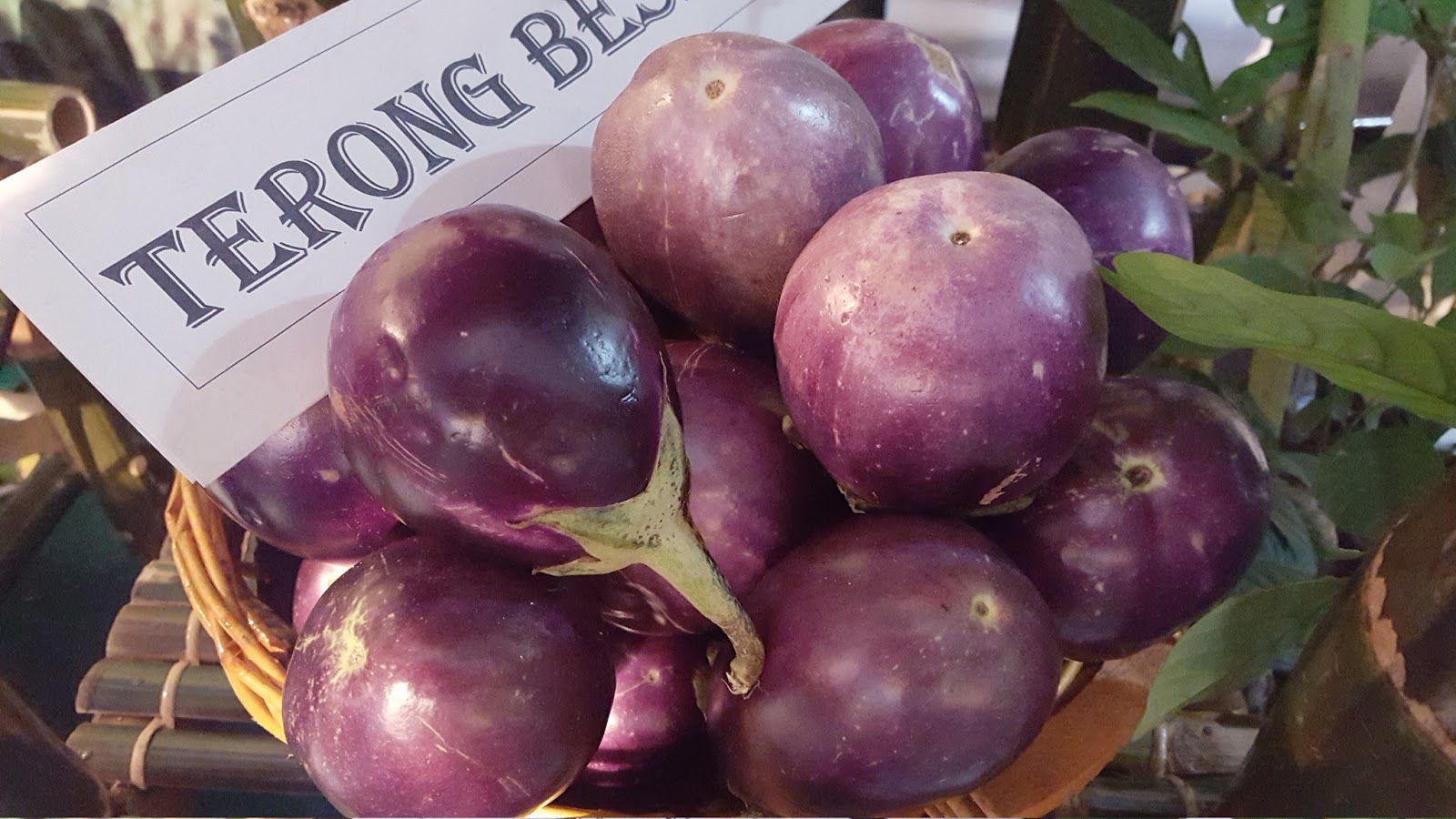
Like the tomato, chayote squash is actually a fruit that is used as a vegetable. Pronounced "chi-OH-tay," it is small and pale green, resembling a large pear. In fact, it is also called vegetable pear, alligator pear and mango squash. Chayote is a popular ingredient in a variety of Mexican, Indian and Latin American dishes. Related to the cucumber and zucchini, chayote has a mild, somewhat sweet flavor. In season from September to May, you can find chayote in some supermarkets year-round. Chayote is low in calories and chock-full of vitamins and other nutrients.

Here are some Health Benefits of Chayote (Vegetable Pear) for your body and beauty :

1. Helps to Lose Weight
2. Prevent Babies Birth Defects
3. Helps Lower Cholesterol
4. Prevent Cancer
5. As Source Stamina
6. Prevent Aging
7. As a Source of Antioxidants
8. Treat Kidney Stones
9. Prevent Constipation
10.Lowering High Blood Pressure
11.Treat Bloating
12.Preventing Heart Disease
13.As Various Mineral Resources
14.Prevent Anemia
15.Reduce the Risk of Stroke Disease

Amazing Health Benefits of Chayote (Vegetable Pear) for your body and beauty
Important Nutrients
Several important vitamins and other nutrients can be found in chayote squash. One half-cup serving provides 17 percent of your vitamin C needs. Chayote squash also contains B complex vitamins, including 61 mcg folate and small amounts of niacin, thiamin, riboflavin, pantothenic acid and vitamin B6 in a half-cup, according to the U.S. Department of Agriculture. The B vitamins play important roles in metabolism.