Saturday, 18 June 2016

7 Types of Vegetable For Woman Pregnancy

What is pregnancy ?

Pregnancy, also known as gravidity or gestation, is the time during which one or more offspring develops inside a woman. A multiple pregnancy involves more than one offspring, such as with twins. Pregnancy can occur by sexual intercourse or assisted reproductive technology. It usually lasts around 40 weeks from the last menstrual period (LMP) and ends in childbirth. This is just over nine lunar months, where each month is about 29½ days. When measured from conception it is about 38 weeks. An embryo is the developing offspring during the first eight weeks following conception, after which, the term fetus is used until birth. Symptoms of early pregnancy may include missed periods, tender breasts, nausea and vomiting, hunger, and frequent urination. Pregnancy may be confirmed with a pregnancy test.

Here are some Types of Vegetable For Woman Pregnancy :


1. Carrot

The carrot (Daucus carota subsp. sativus) is a root vegetable, usually orange in colour, though purple, red, white, and yellow varieties exist. It has a crisp texture when fresh. The most commonly eaten part of a carrot is a taproot, although the greens are sometimes eaten as well. It is a domesticated form of the wild carrot Daucus carota, native to Europe and southwestern Asia.


Pregnant mothers would need more nutrients for the growth of the fetus and the mother's own health. All types vegetables in general is a high source of nutrients, but each color has its own nutritional superiority. Carrots in this case, is included colored vegetables, including pumpkins and many contain a compound called beta-carotene. Are beta-carotene? beta-carotene is a provitamin A, which is converted by the body into vitamin A. There are many benefits of carrots if consumed by pregnant women, especially to meet the needs vitamin A for good vision for the development of the fetus and the mother's own.

Anyone would know that carrots are rich in vitamin A and beneficial for eye health. So, what only that the content of the nutrients found in carrots? carrots turned out to contain many nutrients that are beneficial to health, including the pregnant woman and her fetus. Below are some types of nutrients and benefits of carrots for pregnancy you need to know.

Vitamin C
Vitamin C is beneficial to enhance the immune system or immune pregnant women, pregnant women increase collagen production, maintain the health and growth of bones and teeth in pregnant women and fetuses. In addition, vitamin C is always needed to help with the absorption of iron in the body. Vitamin C is also a very important role in optimizing the growth and development of the fetus and to prevent the risk of birth defects.

Potassium
Potassium is very beneficial for pregnant women to prevent muscle cramps, maintain a normal heart rate and increase blood flow to the brain, keeping the system of neural networks, and maintain cholesterol levels remain normal.


2. Kale

Kale or Asparagus officinalis is a spring vegetable, a flowering perennial plant species in the genus Asparagus. It was once classified in the lily family, like its Allium cousins, onions and garlic, but the Liliaceae have been split and the onion-like plants are now in the family Amaryllidaceae and asparagus in the Asparagaceae. Asparagus officinalis is native to most of Europe, northern Africa and western Asia, and is widely cultivated as a vegetable crop.


Eating kale during pregnancy is an excellent option for expectant mothers. The dark green leafy vegetables come loaded with all the nutrients that are just right for your growing baby.

The special part about this vegetable is the abundance of fiber, vitamins and calcium. The nutritional value of kale helps build a healthy baby inside. Read further to know the relation between kale and pregnancy.

3. Cabbage

Cabbage (Brassica oleracea or variants) is a leafy green or purple biennial plant, grown as an annual vegetable crop for its dense-leaved heads. Closely related to other cole crops, such as broccoli, cauliflower, and brussels sprouts, it descends from B. oleracea var. oleracea, a wild field cabbage. Cabbage heads generally range from 0.5 to 4 kilograms (1 to 9 lb), and can be green, purple and white. Smooth-leafed firm-headed green cabbages are the most common, with smooth-leafed red and crinkle-leafed savoy cabbages of both colors seen more rarely. It is a multi-layered vegetable. Under conditions of long sunlit days such as are found at high northern latitudes in summer, cabbages can grow much larger. Some records are discussed at the end of the history section.


For pregnant women, it is advisable to consume cauliflower. You need to know that cauliflower has several nutrients that are good for the health of the fetus.


Because during pregnancy you really need a lot of nutrients. To that end, it is important to meet nutritional needs. Here are some of the benefits of cauliflower for pregnant women.

Absorb Iron
Pregnant women are required to consume foods that contain lots of iron. Cauliflower have iron content needed for pregnant women. This can reduce the risk of premature birth.

Calcium
Cauliflower is also made up of calcium. As you know that calcium is good for bones and teeth. Therefore, cauliflower consume every day it is so you and the fetus remains healthy.

4. Eggplant (Brinjal)

Eggplant or Brinjal, is a very low calorie vegetable and has healthy nutrition profile; good news for weight watchers! The veggie is popularly known as aubergine in the western world.


Botanically, aubergine belongs to Solanaceae family and named as Solanum melongena. This perennial plant is native to Indian subcontinent and now grown in many tropical and semitropical regions.


Here are some Benefits of Eggplant (Brinjal) During Pregnancy 

For substances Antioxidant Benefits eggplant next to pregnant women is as a free-radical scavengers (antioxidants) are good. With regular consumption of eggplant, fetuses and pregnant women can be free and safe from the attack of free radicals that threaten the outdoors.

Lowering High Blood Pressure Toxicity pregnancy (preeclampsia) that occurs due to high blood pressure pregnant women at increased risk of miscarriage and other pregnancy problems. Therefore, for pregnant women who suffer from hypertension, it is advisable to get treatment from the doctor that the problem can be resolved as early as possible. One way that can be done to reduce high blood pressure naturally is to eat eggplant regularly. Eggplant contains riboflavin and thiamin, both are substances that can help you overcome the problem of high blood pressure

5. Asparagus 

Asparagus is a young tender stem vegetable, erupting from its underground root-system. Its flvorful spears were well recognized since ancient Greeks and Romans as a prized delicacy. One of the oldest recorded vegetables, it thought to have originated along the coastal regions of eastern Mediterranean and Asia Minor regions.

It was once classified in the lily family, like its Allium cousins, onions and garlic, but the Liliaceae have been split and the onion-like plants are now in the family Amaryllidaceae and asparagus in the Asparagaceae. Asparagus officinalis is native to most of Europe, northern Africa and western Asia, and is widely cultivated as a vegetable crop.


Here are some Health Benefits of Asparagus for Pregnant

Controlling blood sugar
Eating asparagus is able to control blood sugar levels because asparagus contains vitamin B high enough. So do not be surprised if this one vegetable that is very beneficial for diabetics.

Increasing milk production
For you who are breastfeeding the baby, it does not hurt to eat vegetables this one. Because, eating asparagus can increase milk production.

More Benefits of Asparagus For Woman Pregnancy

6. KangKong (Water spinach)

Water Spinach (Ipomoea aquatica) is a semiaquatic, tropical plant grown as a vegetable for its tender shoots and leaves. It is found throughout the tropical and subtropical regions of the world, although it is not known where it originated. This plant is known in English as water spinach, river spinach, water morning glory, water convolvulus, or by the more ambiguous names Chinese spinach, Chinese Watercress, Chinese convolvulus, swamp cabbage or kangkong in Southeast Asia.

Occasionally, it has also been mistakenly called "kale" in English, although kale is a strain of mustard belonging to the species Brassica oleracea and is completely unrelated to water spinach, which is a species of morning glory. It is known as phak bung in Thai, ong choy in Cantonese, kongxincai in Mandarin Chinese, rau muống in Vietnamese, kangkong in Tagalog, trokuon in Khmer, kolmou xak in Assamese, kalmi shak in Bengali, kangkung in Indonesian, Malay and Sinhalese and hayoyo in Ghana.


Nutrient content of 100 grams of KangKong (Water spinach)
  • Energy 29 cal
  • Protein 3 g Fat 0.3 g
  • Carbohydrates 5.4 g
  • Fiber 1.0 g
  • Calcium 73 mg
  • Phosphorus 50 mg
  • Iron 2.5 mg
  • Vitamin A 6,300 IU
  • Vitamin B1 0.07 mg
  • Vitamin C 32 mg
  • Water 89.7 g
Nutrition: Despite the fact that it requires very little care, Kang Kong is a highly nutritious plant with high levels of protein, calcium, iron, potassium, & vitamins A B & C. A valuable addition to the diet.


7. Meize (Corn) 

Maize, known in some English-speaking countries as corn, is a large grain plant domesticated by indigenous peoples in Mesoamerica in prehistoric times. The leafy stalk produces ears which contain the grain, which are seeds called kernels. Maize kernels are often used in cooking as a starch. The six major types of maize are dent, flint, pod, popcorn, flour, and sweet.

Sweet corn is a special maize variety in which its tender, delicious kernels eaten as a vegetable. In contrast to traditional field corn, sugar corn varieties are harvested when their corn-ear just reached milk stage, and used sooner since its sugars tend to quickly convert into starch. Corn is native to Central American region, which later introduced to the rest of the world by Spanish explorers.


Genetically, it differs from the field corn by mutation at the sugary (su) locus. Its crop has achieved a major success as one of the important commercial cash crops in many tropical and semi-tropical countries.


Here are the Health Benefits of Meize (Corn) for Pregnant Women (During Pregnancy)

Complete nutrition of pregnant women
Corn is rich in Vitamin B complex is useful for nerve health. Corn is also rich in minerals such as magnesium, manganese, iron, copper and selenium. Benefits maize separately nutrition of pregnant women here can maintain overall health. The agency also is not easily tired, tired and sore with corn meal on a regular basis


Monday, 4 April 2016

Amazing Benefits of Sapodilla (Chikoo) For Babies

What are the Amazing Benefits of Sapodilla (Chikoo) For Babies :

Manilkara zapota, commonly known as the sapodilla, is a long-lived, evergreen tree native to southern Mexico, Central America and the Caribbean. An example natural occurrence is in coastal Yucatán in the Petenes mangroves ecoregion, where it is a subdominant plant species. It was introduced to the Philippines during Spanish colonization. It is grown in large quantities in India, Thailand, Malaysia, Cambodia, Indonesia, Bangladesh and Mexico.

Sapodilla or sapota (chikoo) is another popular tropical fruit in line with mango, banana, jackfruit, etc. Sapota composes of soft, easily digestible pulp made of simple sugars like fructose and sucrose.

Sapota is a tropical evergreen, fruit-bearing tree belongs to the family of Sapotaceae, in the genus: Manilkara. Scientific name: Manilkara zapota. Sapote thought to have originated in the central American rain forests, probably in Mexico and Belize. Today, its cultivation has spread all over the tropical belt and is being grown as a major commercial crop in India, Sri Lanka, Indonesia and Malaysia. The tree is one of fast growing, wind and drought resistant, and it flourishes well even under dry arid regions receiving scanty rains. However, water irrigation during summer would results in good fruit yields.

Here are some Amazing Benefits of Sapodilla Chikoo For Babies:

Chikoo is considered very good for a growing baby. It doesn’t cause any allergies and so it is considered to be safe. A baby can be introduced to chikoo at 6-8 months of age.

Vitamins present in chikoo help in physical and mental growth of a baby. They are very essential for body. Vitamin A develops proper eyesight. Vitamin B helps in functioning of body. It supports brain development, production of hemoglobin and red blood cells. Vitamin C helps in developing a strong immune system which is quite essential for children.

Minerals present in Chikoo support the growth of bones and various functions of the body.

Chikoo is considered an excellent remedy for cold and cough in infants. It helps in reducing congestion and clogging, thereby preventing formation of mucous.

Chikoo is a source of antioxidants which are highly useful for a child’s health. Chikoo acts as a best natural medicine for diarrhea and dysentery in infants.

A raw Chikoo feeded to a baby can cure diarrhea and dysentery. The tannins present in bark of Chikoo tree can be boiled in water and used as medication.

Precautions To Be Taken While Feeding Chikoo For Babies:

  1. Unripe fruits are to avoided. It will be difficult for babies to swallow and digest.
  2. Ripened chikoo which can be made into paste by pressing gently can be feeded.
  3. Store chikoo in a cool and dry place.
  4. Children should not be given unripe chikoos.
  5. Eating unripe chikoos causes ulcer and irritation in throat. It causes problems in breathing.
  6. Raw chikoos are rich in latex and tannins which cause bitter taste.
  7. Know How To Feed Chikoo For Babies.


Sapodilla (Chikoo) pure for babies:

  1. First, peel off the skin of chikoo.
  2. Then, remove the seeds carefully.
  3. Gently crush the fruit pulp with a blender.
  4. Make it pure by adding breast milk or formula.
  5. And then, feed it to your baby.


What the Side Effects Of Sapodilla (Chikoo) ?

Though Chikoo is a great source of nutrients, it has a few side effects which have to be taken care of, while eating chikoo.

100 – 120 grams of chikoo can be eaten per day depending on the requirements of the person’s age weight and sex.

Overeating of chikoo may cause increase in weight due to high calories.
Overeating may cause discomfort and pain in abdomen.
Eating raw chikoo may cause same effects as it causes to children, like itching in throat, breathing problems and mouth ulcers.

Read more about benefits of Sapodilla (Chikoo)

Sunday, 3 January 2016

10 Types of Fruits For Pregnant Woman (During Pregnancy)

What are the 10 Types of Fruits For Pregnant Woman (During Pregnancy)

What is pregnancy ?

Pregnancy, also known as gravidity or gestation, is the time during which one or more offspring develops inside a woman. A multiple pregnancy involves more than one offspring, such as with twins. Pregnancy can occur by sexual intercourse or assisted reproductive technology. It usually lasts around 40 weeks from the last menstrual period (LMP) and ends in childbirth. This is just over nine lunar months, where each month is about 29½ days. When measured from conception it is about 38 weeks. An embryo is the developing offspring during the first eight weeks following conception, after which, the term fetus is used until birth. Symptoms of early pregnancy may include missed periods, tender breasts, nausea and vomiting, hunger, and frequent urination. Pregnancy may be confirmed with a pregnancy test.


10 Nutrition Fruits To Pregnant Woman's (During Pregnancy)

1. Apple

The apple tree (Malus domestica) is a deciduous tree in the rose family best known for its sweet, pomaceous fruit, the apple. It is cultivated worldwide as a fruit tree, and is the most widely grown species in the genus Malus. The tree originated in Central Asia, where its wild ancestor, Malus sieversii, is still found today. Apples have been grown for thousands of years in Asia and Europe, and were brought to North America by European colonists. Apples have religious and mythological significance in many cultures, including Norse, Greek and European Christian traditions.

Delicious and crunchy, apple fruit is one of the most popular and favorite fruits among the health conscious, fitness lovers who firmly believe in the concept of “health is wealth.” This wonderful fruit is packed with rich phyto-nutrients that, in the true sense, indispensable for optimal health. Certain antioxidants in apple have several health promoting and disease prevention properties, and thereby, truly justifying the adage, “an apple a day keeps the doctor away.”

Health Benefits of Apple for Pregnancy

The benefits of eating apples during pregnancy include protecting the unborn child against asthma attacks later in childhood. The exact reason for this is unclear, but eating apples during pregnancy are found to be efficient in providing this particular effect.

2. Rambutan

The rambutan is a medium-sized tropical tree in the family Sapindaceae. The fruit produced by the tree is also known as rambutan. According to popular belief and the origin of its name, rambutan is native to Indonesia and Malaysia

Rambutan fruits also contain iron which is needed by pregnant women, because the iron content can be in control of oxygen levels in the body and can prevent fatigue and dizziness caused by anemia or lack of red blood cells. While the phosphorus content that is owned rambutan can be beneficial transform filter out impurities in the fiber can be beneficial for kidney repair and maintain the system and its network cells are damaged.


Consuming fruit rambutan during pregnancy can prevent and treat the types of disease that usually attacks pregnant women such as fever, headache, cough, flu and colds. Additionally, rambutan can expedite the digestive system so that pregnant women will avoid digestive disorders like constipation, constipation, diarrhea and can also prevent the risk of colon cancer. While the content of vitamin E in the rambutan fruit can be beneficial in healthy and prevent diseases of the skin such as jeawat, signs of aging, dull skin and itching.

Read more

3. Star Fruit

Star fruit, also known as carambola, is a star shaped tropical fruit with sweet and sour flavor. Carambola is native to Malayan peninsula and cultivated in many parts of Southeast Asia, Pacific islands and China for its fruits. Although abundant and plentiful, carambola is yet to gain popularity, especially in the western world.


Vitamin A
Vitamin A with beta-carotene compounds beneficial to maintaining healthy eyes thus improving the ability of vision and increase appetite in pregnant women.
Vitamin A with antioxidant properties beneficial to increase the body's immune system and metabolism of pregnant women.

Vitamin C
Vitamin C serves as a natural antioxidant that is beneficial to increase the body's immune pregnant women in preventing attacks of various kinds of bacteria and viruses that cause disease.
The antioxidant content is also beneficial in preventing cancer in pregnant women as well as dispose of a variety of toxic substances that are harmful to the body of pregnant women (functioning as a detox).
Support the growth of bones, teeth, hair, nails and skin care.
Helps the absorption of iron.

Read more

4. Strawberry

The garden strawberry is a widely grown hybrid species of the genus Fragaria. It is cultivated worldwide for its fruit. The fruit is widely appreciated for its characteristic aroma, bright red color, juicy texture, and sweetness.

Strawberry is a small, low-lying, spreading shrub. It bears small white flowers which eventually develop into small conical, light green, immature fruits. They turn red upon maturity with each berry featuring red pulp with tiny, yellow color seeds piercing through its surface from inside. Its top end carry a green leafy cap and stem that is adorning its crown.


Folic acid is a B vitamins that is very beneficial to the health of pregnant women, and can play a role in helping the formation of red blood cells, erythrocytes and the development of the nervous system.


5. Soursop (Shawachop)

Soursop is the fruit of Annona muricata, a broadleaf, flowering, evergreen tree native to Mexico, Cuba, Central America, the Caribbean, and northern South America, primarily Colombia, Brazil, Peru, Ecuador, Venezuela, and Puerto Rico.

Soursop fruit has a sour taste, and is often used as fresh juice. The fruit is green-black when ripe. Soursop fruit juice has various health benefits.


During pregnancy, insulin production can be increased. Elevated blood sugar, especially after eating. Improved conditions of high blood sugar in pregnancy is called gestational diabetes.

Gestational diabetes increases the risk of complications during pregnancy, pregnant women and their babies at risk. The risk of complications in pregnant women with chronic hypertension (preeclampsia), edema (swelling), excessive amniotic fluid, macrosomia and preterm birth. Potential risks for children like jaundice, low blood sugar and breathing problems at birth.

6. Guava

Guavas are plants in the Myrtle family (Myrtaceae) genus Psidium, which contains about 100 species of tropical shrubs and small trees. They are native to Mexico, Central America, and northern South America. Guavas are now cultivated and naturalized throughout the tropics and subtropics in Africa, South Asia, Southeast Asia, the Caribbean, subtropical regions of North America, Hawaii, New Zealand, Australia and Spain.

Guava fruit oval fruit with yellowish green skin. The flesh is white and red, soft textured, sweet, and there are lots of small seeds in the middle.


Pregnant women are more susceptible to high blood pressure are at risk of complications during pregnancy. Eat a guava every day, can help control high blood pressure. It is one of the best health benefits of guava during pregnancy.

7. Sapodilla (Sapota)

Sapodilla or sapota (chikoo) is another popular tropical fruit in line with mango, banana, jackfruit, etc. Sapota composes of soft, easily digestible pulp made of simple sugars like fructose and sucrose.

Sapota is a tropical evergreen, fruit-bearing tree belongs to the family of Sapotaceae, in the genus: Manilkara. Scientific name: Manilkara zapota. Sapote thought to have originated in the central American rain forests, probably in Mexico and Belize. Today, its cultivation has spread all over the tropical belt and is being grown as a major commercial crop in India, Sri Lanka, Indonesia and Malaysia. The tree is one of fast growing, wind and drought resistant, and it flourishes well even under dry arid regions receiving scanty rains. However, water irrigation during summer would results in good fruit yields.


In the sapodilla fruit has a vitamin C content results in very high. Vitamin C is beneficial for maintaining the immune system so that pregnant women are not prone to various diseases.

Sapodilla fruit high in fiber is beneficial for maintaining digestive health, to avoid constipation and launch phases expenditure.

The content of vitamin B in sapodilla fruit is useful for reducing nausea and curiosity vomiting during pregnancy.

8. Tomatto

The tomato is the edible, often red fruit/berry of the nightshade Solanum lycopersicum, commonly known as a tomato plant. The species originated in the South American Andes and its use as a food originated in Mexico, and spread throughout the world following the Spanish colonization of the Americas. Its many varieties are now widely grown, sometimes in greenhouses in cooler climates.


Besides being rich in vitamin C, tomatoes also contain a lot of vitamin A. For pregnant women, vitamin A is an indispensable nutritional needs during pregnancy because it can be useful in maintaining eye health, can keep the immune system, can improve fetal growth and increase reproduction. To that end, it is highly recommended to consume tomatoes for pregnant women.

9. Mango

The mango is a juicy stone fruit belonging to the genus Mangifera, consisting of numerous tropical fruiting trees, cultivated mostly for edible fruit. The majority of these species are found in nature as wild mangoes.

“The king of the fruits," mango fruit is one of the most popular, nutritionally rich fruits with unique flavor, fragrance, taste, and heath promoting qualities, making it numero-uno among new functional foods, often labeled as “super fruits."

Mango is a tropical tree cultivated in many regions of India, and now its farming has been extented wide across the world in many continents. After flowering its fruits generally grow at the end of a long, string like peduncle, with sometimes more than one fruit to a peduncle.


10. Kiwi

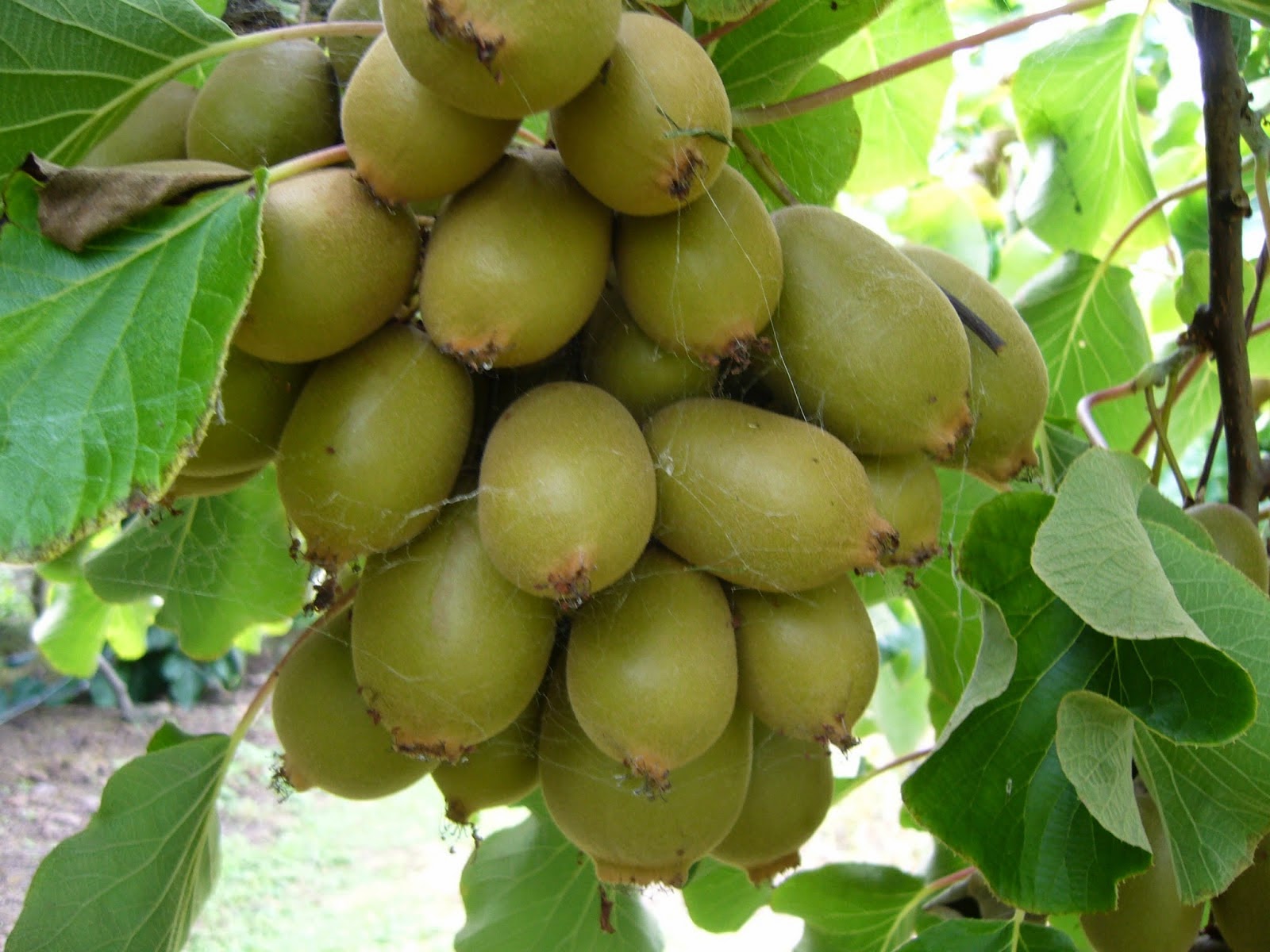
Kiwifruit is one type of fruit that comes from the genus Actinida. Kiwi fruit has flesh-colored or golden green, brownish-green skin color, black seeds are small and edible. Kiwi fruit has been grown in many countries because of its fine texture and has a unique flavor. follow this page for full information about other benefits of Kiwi Fruit for health and beauty.


Keeping the weight of pregnant women remains an ideal
Fiber content owned kiwifruit able to launch the digestive system and prevent bloating pregnant women. Therefore, by eating kiwi fruit consumption will reduce the risk of obesity in pregnant women. It also overcome the problem of constipation is often experienced by pregnant women in general.

Preventing stroke during pregnancy
According to the study, the rate of stroke in pregnant women has increased. Moreover, if the mother has a history of obesity, high blood pressure (hypertension) and heart disease. Therefore, kiwifruit consumption can prevent arteries from clogging. That is through the help of natural antioxidant polyphenols.

Tuesday, 15 September 2015

Amazing Health Benefits Tomato Juice for Babies

What are the Amazing Health Benefits Tomato Juice for Babies


The tomato is the edible, often red fruit/berry of the nightshade Solanum lycopersicum, commonly known as a tomato plant. The species originated in the South American Andes and its use as a food originated in Mexico, and spread throughout the world following the Spanish colonization of the Americas. Its many varieties are now widely grown, sometimes in greenhouses in cooler climates.

Health Benefits Tomato Juice for Babies

Who does not know tomatoes. Colored fruits are round and red is usually used to pelangkap cuisine. The addition of this fruit serves as a natural flavoring dishes. The tomato fruit containing umami taste.

There are several types of tomatoes are used for cooking, but that is often used is the fruit of tomatoes and small tomatoes (cherry tomatoes). The virtue of tomatoes contains vitamins A and C are high. Vitamin A is good for eye health, Vitamin C to boost the immune system.


The red color in tomatoes showed that lycopene substances phytochemical compounds that act as antioxidants. Vitamin A is good for toddlers. Requirement of vitamin A for children aged 1-3 years is 300 micrograms per day (1,000 IU). While for children aged 4-8 years, need 400 micrograms per day (1,300 IU), and for children 9-13 years of 600 micrograms per day (2,000 IU).

Read Also:
In one medium-sized tomato fruit weighing about 60 grams are vitamin A content of about 600-1000 IU. This means, for toddlers aged 1 year vitamin A requirement can be met by consuming tomatoes 1 or 2 pieces.

How to consume tomatoes for toddlers is the way smoothed. Tomatoes washed, then blansir using hot water. Then peel the skin. Seeded, cut into pieces and add water. Then crushed / blended. If it tastes too sour for toddlers can be added to a mixture of sweet fruits such as papaya.

Thus I created this article to provide information on the "Amazing Health Benefits Tomato Juice for Babies" may be able to give a good knowledge for the readers. If this article is pleased and feel good, would you to share this article via Facebook, Twitter so your friends know this information.

Good Luck !.

Health Benefits of Asparagus for Pregnant Women and breast-feed

Health Benefits of Asparagus for Pregnant Women and breast-feed

What are the Amazing Health Benefits of Asparagus for Pregnant Women (During Pregnancy) and breast-feed

Asparagus is a young tender stem vegetable, erupting from its underground root-system. Its flvorful spears were well recognized since ancient Greeks and Romans as a prized delicacy. One of the oldest recorded vegetables, it thought to have originated along the coastal regions of eastern Mediterranean and Asia Minor regions.

It was once classified in the lily family, like its Allium cousins, onions and garlic, but the Liliaceae have been split and the onion-like plants are now in the family Amaryllidaceae and asparagus in the Asparagaceae. Asparagus officinalis is native to most of Europe, northern Africa and western Asia, and is widely cultivated as a vegetable crop.

Asparagus crowns are planted by early spring. It grows into tall branched stems, bearing fine fern-like green needles (phylloclades); giving the whole plant an overall feathery appearance. Fresh crop can also be established by direct seeding or through transplanting 10-12 week-old seedlings. A fully-grown plant reaches about 5 feet in height. Young scaly edible spears emerge from the underground extensive matted root systems, which can be ready for harvesting by early spring.

Health Benefits of Asparagus for Pregnant Women and breast-feed

The amount of the nutrient content that exist on asparagus makes this vegetable have quite a lot of health benefits. The benefits are as follows.

1. Maintaining a healthy heart
Asparagus contains folic acid which is important for the health of the cardiovascular system. Drink a little asparagus juice mixed with honey three times a day can help strengthen the heart health condition.

2. Keeping the digestive system
Asparagus is rich in fiber content and it's all very well to keep your digestive system remains in the best condition. In addition, asparagus is rich in minerals and carbohydrate called inulin that can not be digested. However, this is inulin in the colon can be a good food bacteria such as Bifidobacteria and Lactobacilli.

3. Anti-inflammatory
Asparagus contains phytochemical compounds that are anti-inflammatory that can help relieve arthritis and rheumatism.

4. Overcoming urinary tract infections
A study has addressed that asparagus racemosus have anti-urolithiatic that can help in curing urinary tract infections. Because it has diuretic properties, it's no wonder that eating asparagus can push the frequency and volume of urination.

5. Controlling blood sugar
Eating asparagus is able to control blood sugar levels because asparagus contains vitamin B high enough. So do not be surprised if this one vegetable that is very beneficial for diabetics.

6. Increasing milk production
For you who are breastfeeding the baby, it does not hurt to eat vegetables this one. Because, eating asparagus can increase milk production.

7. Protect your skin health
In the saved asparagus antioxidant called glutathione that is able to protect the skin from damage that occurs due to sun exposure.

8. Maintain eye and kidney health
When compared with white asparagus, green asparagus is known far more healthful. The trunk has a vitamin A content is high enough and it was very good for maintaining eye health. Potassium contained in it is very effective in maintaining healthy kidneys, as well as other minerals can improve the immune system so it is not easy to disease.

Thus I created this article to provide information on the "Health Benefits of Asparagus for Pregnant Women and breast-feed" may be able to give a good knowledge for the readers. If this article is pleased and feel good, would you to share this article via Facebook, Twitter (@D_Vegetarian) so your friends know this information.

Good Luck :)

Monday, 18 May 2015

Health Benefits of Banana for Babies


A banana is an edible fruit, botanically a berry, produced by several kinds of large herbaceous flowering plants in the genus Musa.

Bananas are an excellent source of nutrition for infants even though sometimes we take it as a cheap food, baby food banana is better than any other fruit. Banana is a fruit that is ideal to be given as a first solid food for babies 6 months. Nutritional benefits of bananas are not only beneficial for adults, but also good for babies, toddlers and children. Especially for the growth and development of infants.

What are the Amazing Health benefits of Banana for Babies

Here are some health benefits of Banana for Babies

Banana is a fruit that is very smooth and very easy to digest, so it makes it very suitable to be a good food for babies. Bananas contain vitamins (A, C, folate, choline), minerals (potassium, calcium, magnesium, phosphorus), carbohydrates, and omega-6 fatty acids. Benefits of bananas for infants 6 months to help the body's ability to absorb calcium present in milk given to infants. Bananas are also very good for baby's digestion. In addition, bananas are rich in potassium which is good for bone development.

Bananas have a high content of calcium so it is good for the growth of the baby. In addition, calcium in bananas is very beneficial for the baby's bones continue to grow and help the growth of the baby teeth begin to emerge. So this banana fruit is perfect when introduced in infants at age 6 months.


Read also : Benefits of Bananas for pregnant women
   
Benefits consumption of bananas next is Superior in potassium, yet low in salt, bananas can also support lower blood pressure and moderate danger of death by strokes by as much as 40%. It can also facilitate to regulate the heartbeat, sends oxygen to the brain, and controls the body's water balance.

Benefits of bananas to other babies that bananas contain pectin which is a natural fiber that is good for the digestion of the baby's body. If your baby is sick with diarrhea, bananas can be given in lieu of electrolytes in the body is wasted.

Our hope this article entitled "health benefits of Banana for Babies" can be useful for visitors or readers.